
Compared to any other health supplement, research on intermittent fasting is scarce. After all, there is little money in telling people to eat less often. The bit of data that exists is very clear, however: intermittent fasting (IF) is extremely healthy no matter what your health goals.
Most people have found intermittent fasting as a method of losing fat and gaining muscle. Indeed, there are tremendous hormonal changes involved with intermittent fasting that can allow practitioners to gain lean mass, but the anti-aging and disease prevention aspects are as important if not more so. While there may be some other intermittent fasting guides, this is my ultimate guide to this practice.
First, I’ll explain how you can get started even if you have no experience. Then I’ll detail the scientific research to help you determine whether it is something you would like to pursue. This is going to be a long one so grab some…tea!
Stop Eating and Start Living
The concept of intermittent fasting is not one that most people are willing to try. I’ll admit, willfully depriving yourself of food seems like a bad idea when you are hungry. As I’ll explain in more detail later, the only reason you feel regularly hungry is because of the expectation of food and the choices that you consume. Understanding this will allow you to easily start with intermittent fasting and overcome the first few weeks of moderate unpleasantness. Here are some methods you can use in order to start intermittent fasting, which have helped me very much:
1. Start with one day
Intermittent fasting is no different than anything else. If you consider doing IF for the rest of your life, it will seem daunting. Just tackle the first day and you will realize that it is not that bad to eat only 4 – 8 hours a day. With a single day on your belt it is infinitely easier to move to day two, three, and before you know it you will be fasting normally.
2. Determine your goals
Before you start an IF protocol, you should determine your goals. If you want to use it for body composition (i.e: fat loss, muscle growth) purposes, then you can do a Lean Gains style 16 hour fast with an 8 hour feeding window every day. If you would prefer to practice IF for anti-aging and disease prevention, you can even get away with 36 hours of fasting. It all depends on what you are looking to do, but remaining under 72 hours is recommended.
3. Time your IF for social purposes
Technically, you can do an intermittent fast from 9:30 am until 5:30 pm. With this schedule, you will not only eat more meals and calories, but you will probably cheat more often. Consider social situations and the temptation to eat dinner later than 5:30pm. I make it easier on myself by allowing my 8 hour feeding window (when I eat) from 12pm – 8pm.
4. Wake up and drink water
If you choose the IF protocol that I advocate, fasting overnight and then until 12-2pm, then it is a good idea to overcome hunger in the morning with a few choice methods. First, drink water as soon as you wake up. It may not seem like it, but your body is naturally dehydrated while you sleep. Ensure you replenish the water as soon as you wake up and the feeling of hunger will slightly dissipate.
5. Fasting is better with tea / coffee
When I fast in the morning, I make sure to drink a little bit of tea. This will not break the fast so long as there is no additional sugar or cream. Drink it warm and straight and it will help to focus and remove any hunger pangs.
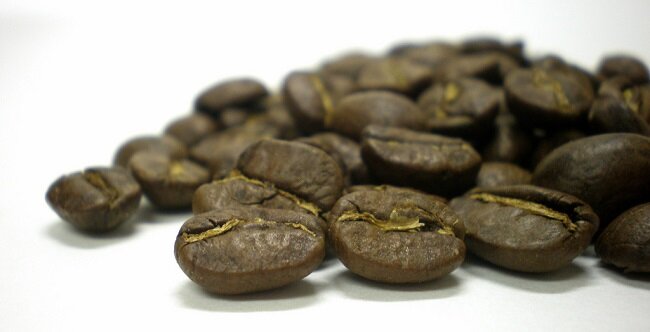
Some people, including prominent biohackers like Jolly and Dave Asprey, enjoy Bulletproof® coffee. This formulation includes coffee, MCT oil, and butter. The ingredients offer a lot of calories that the body can burn as fuel, but without disrupting essential bodily functions, such as cell repair. I have yet to try it, but many endorse it. It will definitely make the start of your fast that much easier.
6. You won’t be hungry forever
The hormones that inform hunger are based primarily on habit more than anything else. The reason you are hungry during the morning is because you are used to eating then. After a few weeks, (approximately 4 or less) you will not be hungry at all during your fasting periods. Within the first week, the hunger should dissipate. Knowing that you will not have to live with hunger forever is a great way to begin from a psychological perspective.
7. Choose a day to indulge
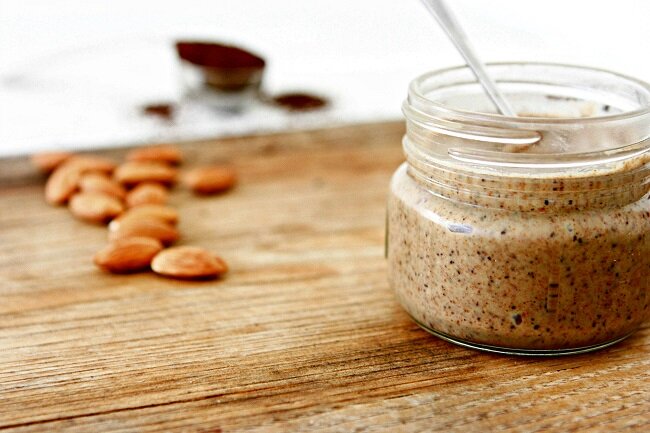
Some people consider it wise to have a “cheat day” consisting of whatever foods you would like. I am a staunch opponent of such days, but I do have higher calorie / carbohydrate days as well. My days include 85% dark chocolate, almond butter, and more sweet potatoes, which are all healthier / cleaner sources to indulge upon.
8. Stay busy while fasting
One of the reasons it is so easy to fast overnight is because you are sleeping. If you are awake, make sure you are staying busy as best as you can. At the beginning you are not going to help your cause if you focus on your lack of food!
9. Food choices matter
You may find intermittent fasting to be a great way of easily improving your health, but none of it will matter if you do not properly eat during your feeding window. I advocate (and practice) a low-carbohydrate, mostly Paleo style diet that is high in fat and protein. I was raised as a vegetarian for 20 years. So no, I’m no steak and potatoes hillbilly.
10. It isn’t for everyone
Don’t make the mistake of thinking that intermittent fasting is for everyone. See how you feel for a few weeks and determine whether the practice is right for you. Sure, there is plenty of evidence that it is a healthy and optimal practice, but for some people it just doesn’t work. My health conscious friend Madelyn has tried to no avail. Don’t feel let down if you would rather not pursue it!
Pregnant or breastfeeding mothers should probably not fast nor should those with serious medical conditions. Speak to a doctor if you feel more comfortable with their advice.
Increased Brain Function
Now that you have some tips to get started, we will dive into the science of it all. Here at The Hacked Mind, we love improved brain function! Conventional wisdom indicates that frequent meals are the best way to keep your brain focused and productive. It’s common to see individuals consuming meals, snacks etc. to maintain the calories they need to think creatively and function more efficiently. So, how does intermittent stack up against constant / frequent consumption? Turns out, it’s much better.
In the same way reduced oxidative stress improves aging, it also improves memory. This is one of the reasons why animal studies show decreased Alzheimer’s, Parkinson’s, and Huntington’s disease. The subsequent cellular stress resistance offers the brain plenty of benefits.
One of our favorite neurotransmitters, brain-derived neurotrophic factor (BDNF), is like fertilizer for the brain. It promotes neurogenesis and increases brain capacity. Typically, BDNF increases with physical activity, but intermittent fasting has a similar impact. If you can’t get enough exercise, start fasting!
Dietary restriction, whether caloric restriction or intermittent fasting (but we love the latter!), can lead to the stimulation of new stem cells and synaptic plasticity. The connections between neurons (through synapses) are made quicker and more efficiently.
Whether you want to improve your brain function in the present so that you can make quicker connections, think more creatively, and be more efficient or just prevent brain function deterioration with age, it is a good idea to take up intermittent fasting.
TL;DR: IF can improve brain function in the short term by producing BDNF neurotransmitters. They also help prevent long-term brain deterioration.
Disease Prevention, Wellness, and Aging
Diseases of civilization have become an important topic in modern discourse. Things like cancer, diabetes, and others are some of the biggest killers throughout the world and in the United States particularly. As medical care recipients far outweigh healthier individuals, the country’s medical finances are in disarray. Therefore, it is striking to find a practice like intermittent fasting that is so simple and can profoundly affect the body’s chances of contracting any of these diseases.
Diabetes
For diseases, such as diabetes, one of the most important factors is insulin resistance. Due to modern food abundance, it is easy to elevate blood sugar levels beyond what our ancestors could have ever done. In doing so, our hormones have fallen completely out of balance. Problems with insulin are undoubtedly the cause of most diabetes related problems. Researchers in Berkeley, CA tested calorie-restriction and a form of intermittent fasting on animals and came to startling conclusions.
Throughout the studies, fasting glucose concentrations decreased. Three studies found decreased circulating glucose concentrations after 20 – 24 weeks. In plain terms, the animals were properly regulating sugar to avoid diabetes.
In human studies, the scientists were unable to come to such conclusions. However, they did record more insulin sensitivity in patients who had undergone the intermittent fasting protocol. Even when people ate as much as they wanted during the eating window, so long as they spent 16 – 20 hours fasting, they were able to increase blood sensitivity.
TL;DR: IF can improve blood glucose levels and insulin sensitivity, which are the two biggest biomarkers of diabetes.
Cardiovascular Disease
Poor cardiovascular performance is a result of many lifestyle factors, such as dieting and exercise. Clogged arteries are a leading factor in cardiovascular disease and elevated cholesterol (of certain types) levels often point towards a brewing storm.
A study at the University of Utah questioned 500 people who had fasted at least 1 day per month and found that they were 40% less likely to have clogged arteries. Furthermore, after only 3 weeks of intermittent fasting protocols, patients were able to see increased HDL levels (good cholesterol) and decreased triglyceride levels (bad). Decreased blood pressure in humans has not been seen, but is apparent in animals.
TL;DR: IF decreased biomarkers that point to cardiovascular disease while improved those that indicate cardiovascular health. Additionally, clogged arteries seem to be less of a problem for those with this dietary regimen.
Cancer
No human cancer studies with intermittent fasting exists, but animal studies are clear: intermittent fasting decreases the likelihood of getting cancer. After only 16 weeks eating the same foods, but in restricted fasting windows, mice had a 33% lower risk for certain cancer types.
The most likely explanation, which would indicate a similar benefit in humans, is the autophagic process. Autophagy is a process that degrades damaged cell membranes. Often the process will support the death of cancerous cells, but continually eating brings the body out of an autophagic state.
TL;DR: Animal studies show a dramatic decrease in cancer after only 16 weeks of IF; largely by allowing the body to perform autophagic functions.
The Gender Gap
Between all of the studies, an interesting caveat of intermittent fasting becomes apparent. With insulin sensitivity was tested with intermittent fasting, women saw little to no improvements. For decreasing triglyceride levels, the results were the same. That does not mean women should or cannot partake in intermittent fasting, but studies seem to indicate less benefit or a higher level of health before participating.
Anti-Aging
The research regarding aging and caloric restriction is clear, but who wants to eat less? With intermittent fasting you can get many of the same benefits as caloric restriction, but while eating more of what you want.
Oxidative stress is one of the primary factors in aging and intermittent fasting can reduce the damage to your cells. The scant evidence indicates intermittent fasting decreases the markers of oxidative stress (including 8-isoprostane, nitrotyrosine, protein carbonyls, and 4-hydroxynonenal adducts) while increasing the anti-oxidants levels in the body. Again, this has to do with autophagy along with other factors.
A 1956 modified intermittent fasting study in Spain followed elderly subjects for 3 years. One of the groups had a standard diet and this resulted in 219 days in the hospital with 13 deaths over the trial. The other group with intermittent fasting included in their routine managed only 6 deaths and 123 days in the hospital. Pretty, striking right?
Hormones have a particularly important role as well. Insulin-like growth factor (IGF-1) stimulates growth and reproduction, but this drives aging even quicker. With decreased IGF-1 from intermittent fasting, your body starts to repair cells.
TL;DR: Oxidative stress, the major component in aging, is reduced through IF without the need to reduce calories consumed. Joy! Eat more delicious food! Decreased IGF-1 also allows more cell repair to take place.
More Muscle, Less Fat
If increased brain function, anti-aging, and disease prevention don’t tickle your fancy, one of the most common / popular uses for intermittent fasting is for body composition. Whether you are trying to shed a lot of weight or just remove the last bit of belly fat before summer, intermittent fasting can help. Best of all, for biohackers like myself, intermittent fasting is an “easy win”. The only thing you have to restrict is when you eat. No exhausting yourself on the treadmill or eating bland food.
Much of the body composition conventional wisdom is flawed. As the authors of Man 2.0: Engineering the Alpha are aware, theories about metabolism are wrong. While eating more often can increase the metabolic rate, the thermic effect of food is based on caloric intake rather than timing. If you compact the same number of calories in a shorter window, you’ll have the same metabolic rate and your body will be burning at the same speed as otherwise.
A study in Louisiana showed that metabolic rate remained the same and subjects lost 4 +/- 1% of their body fat as a result of an IF regimen. Others indicate an increase in fat oxidation, which is correlated to fat-weight loss.
Common sense also indicates that with a shorter window of eating, there is less likelihood of overeating. It is not only impractical, but often uncomfortable to eat too many calories / meals with a short feeding window.
Hormones of Hunger and IF
As my free book Brain Hacking 101 indicates, balanced hormones and neurotransmitters are of the utmost importance for your general wellbeing and health. Optimizing them naturally can be incredibly effective and that is exactly what intermittent fasting helps you to do with hunger and body fat storage.
Ghrelin
You have probably never read about ghrelin, but it is one of the most important factors when trying to begin an IF regimen. This hormone is responsible for the feeling of hunger. The cells responsible for producing ghrelin operate on a circadian rhythm that is determined by meal times. Therefore, you only get hungry because of when you are used to eating, not necessary when you need to eat (within reason).
You will see a metabolic increase during short term fasting periods because your body has an evolutionary response to get off of your ass to find some food. Once you can optimize production of ghrelin, you can get by with eating less with ease.
Leptin
There is always one trickster in the bunch and leptin is just that. This hormone is most responsible for thyroid hormones that regulate fat loss and metabolism. Because leptin is produced in fat stores, the less you have the harder it is to produce. This can result in stagnation, plateaus in physical fitness and body composition.
When leptin can be spiked, through the process of intermittent fasting feeding windows, it can help burn more body fat. From a body composition perspective, it is actually better to have a day with higher calories and carbs. Some promote a “cheat day” that allows for eating whatever is desired, however I would suggest something far more conservative. I incorporate a high calorie day, which corresponds with high intensity training. My poison is 85% dark chocolate and almond butter.
Insulin
As indicated earlier, insulin is one of the most important benefactors of any IF regimen. Many consider the early morning hours to be the best time to eat carbohydrates due to insulin sensitivity. However, it turns out that insulin sensitivity is only greater due to fasting over night, not because of the morning. Therefore, if you are fasting for 16 hours or more (rather than 8-10 for sleeping) you will see better insulin sensitivity.
More importantly for muscle growth, if you want to take advantage of carbohydrates, it’s best to utilize them later at night. Increased carb intake at night promotes higher growth hormone (GH) production, which will impact muscle repair.
You’re One Hack Away
Intermittent fasting may not be for everyone, but those who test it and overcome a brief period of change usually find that it is an incredibly effective method to improve your life. Busy entrepreneurs, doctors, and anyone else can appreciate a schedule with fewer meals that can improve health and memory. Even aesthetically minded individuals can find common ground with the body composition benefits of IF protocols. Using the information provided above and the evidence to back it up, try for yourself!
Upgraded™ and Bulletproof® are trademarks/service marks of Better Baby LLC
74 comments… add one
YES! Best IF info I’ve seen, nice!
Hey Kyle, thanks a lot. I’d be interested in hearing more about what makes it so useful
I’ve been intermittent fasting for a while now, and although I’ve found the hunger never really goes away during the fasting period, you do get used to it. I’ve read that a consuming a tablespoon of coconut oil helps to suppress your appetite and gives you energy. I tried it out this morning by putting it in my coffee, and it actually worked pretty well, didn’t experience hunger pains whatsoever.
Yeah, coconut oil is supposed to be great. I have heard MCT oil does not alter the autophagic process, but I can’t be certain with that. If you are going to do anything in fasting period, that would be it!
Second week of IF and I’ve gone from 175 to 169, belly fat is considerably less and I don’t even get hungry anymore. Definetly doable long term.
Wow, that is awesome Steve. Congratulations! I’m trying to use it to cut down on BF as well (even as I bulk). We’ll see if I see the same weight gains as I was with three meals (even if my third was small)
It takes about a week to get used to it. Just keep it up and it will be a lot easier.
Thanks for the vote of confidence!
It’s not the IF that’s the problem, it’s the tendency to binge on cravings afterwards that’s the issue.
I’ve done IF before and have seen a few people that have had great success on it. Even though I was able to manage the cravings (for the most part), I always had troubles in the evenings as I would literally inhale my food. Through sheer will I stayed on it and loss my first 15 lbs on it. Now however I eat about 3 – 4 times a day, count my calories, exercises 5x a week, and managed to drop an additional 15.
Though IF does work, I find that regularly eating small meals is easier and helps to ward off the binge eating.
Absolutely right. Everyone is different so it is a really good idea to keep these things in mind for yourself. The whole n = 1 concept applies really well here. I like your style!
Anecdotal evidence time:
I skip breakfast at least a few times a week for a 16-20 hour fast, and eat a regular amount of calories between lunch and dinner. Before I started, my weight loss had been steady and slow. After fasting, I found it much easier to control the weight loss through calories only. I feel better when lifting, and have more energy in the mornings.
I’ve also had high cholesterol my whole life, even back as a teenager and underweight. After beginning fasting, my liver functions have all gone into the normal ranges, and my cholesterol has dropped to a (still high) manageable level.
Mentally, it can take a bit of time to adjust. You’re not going to die from missing a meal. Your blood sugar can’t be blamed for your shitty moods. Hunger is relative. It’s not for everyone. I was never an early-morning eater, so moving the meal to an early lunch wasn’t as hard for me. But I would definitely recommend at least trying it out!
Love every bit of this. Glad to see the weight loss improving after you tried IF only.
Also glad to see the cholesterol levels too. Most importantly, I’m glad you mentioned the mental and relativity of it all. Definitely worth a try for anyone who is interested.
I skip breakfast every day. I probably fast for about 15 hours a day (from dinner to lunch the next day) and it has been my savior for losing weight. I eat between 1600 and 1700 calories a day (starting from eating 5,000+ calories a day at 325, 5’7, M) and I don’t really ever feel deprived. After a while you don’t even get hungry in the morning. It isn’t for everyone, but it works amazing for me.
Wow! That is amazing stuff. Congratulations on the turnaround. I can’t even imagine eating 1600-1700 and I’m 172 lbs, 6′, M. Glad things are working out for you and you’re right – it isn’t for everyone!
I can vouch for IF! I lost 60 lbs. a few years back, which was 20 lbs. too many for my taste (I only wanted to lose 40). I felt GREAT, but I wondered why for someone who’s always struggled with weight, I was actually having trouble keeping weight ON. I finally gained the 20 back by eating terrible (a controlled act of desperation, but now I’m happy with my weight), but still always wondered why for 3 years I couldn’t keep weight on no matter how much I ate. Then I found out about IF…
I used to eat anywhere from 1200-2000 (down from 5000+) every day, but only from either 12-6 p.m. or 2-8 p.m. – which is a schedule that I naturally fell into. I didn’t believe this was the cause of my extreme weight loss until I fell back into it, and the weight started melting off again within days.
I feel great when I’m doing this – the most energy Ive ever had, better focus/concentration, better moods, etc. I’m currently trying to come up with a diet that still allows me to IF without losing any more weight – I feel so sluggish without it!
Also, I still eat 1200-2000 calories, just not with IF. The schedule itself changed the way my body utilizes the same amount of calories.
Yeah it is really about the scheduling of the food. It is amazing how effective the same amount of calories can be. Add to it a certain level of steady-state walking and high intensity training and you’re golden. Keep up the good work!
I’ve been doing a two-day-a-week calorie restriction fast for the past couple of months. I have to say that I feel a bit healthier on my non-fasted days, but I do still have a hard time on the fasted days. I limit myself to 600 calories or less on the “fast” days, usually eating my 600 calories in one go around dinner time – effectively giving me 2 12 hour periods where I’m in a calorie deficit, or fasted state.
So far I’ve lost maybe 8 to 10 lbs. over the course of this time… and I unfortunately have to admit that my activity level has gone down a bit during this time as well (not for lack of energy, but for lack of time).
I’m looking forward to continuing on with the fasting though, and see where it gets me when I start lifting and running more frequently again.
Great personal experience. Glad you lost weight, but I hope that you can get to a point where you are losing weight and increasing LBM at the same time. I think once you get more time it will be an easy transition.
Yes, CR is the final ultimate goal of anyone serious about health and longevity.
So many have no clue.
They often think being Vegetarian or Vegan or Raw is the final answer.
Great point! It is a great method for health and longevity. I do think the Veg/raw crowd is a bit misguided, but it’s just up to us to help show them what has worked for us. Hopefully this post has done just that
Damn thorough write-up there Mans. Well done.
I’ve been intermittent fasting for years. When I first tried it, I had an immediate and profound change in body composition. I’ve been hooked ever since.
I’ve tried practically every method of IF there is. And then some. The longer you practice it, the easier it is to go longer and longer periods without food. I can easily go a day or two without eating. I’ve even broken your 72 hour rule by going over 3 full days without food . . . and had next to no hunger during that fast.
But it definitely helps to go low carb if you’re going to make IF a regular thing. Carbs make you hungry. The more you eat, the harder it’s going to be to abstain from eating.
Great post Mans! A one-stop-shop for IF.
Cheers!
Cool stuff, man! Thanks for the compliment, I’m hoping it can be a nice big guide for some people to get started.
My body is starting to acclimate a bit. It’s been maybe a week, but I had a gym session that did not go well (as far as PR) so we’ll see how my body reacts the next session I have.
IF has been so LIBERATING for me, specifically realizing that fasting will not eat up your muscle… In the past, I actually felt GUILTY for not eating when I was hungry. I thought for sure my muscle was getting eaten up. So I was constantly munching on ‘healthy’ foods like almonds just to ‘feed my muscle’… (although it was only my belly fat that was being fed). Now, I can go hours and hours without eating and look the best I ever have. Yes, I still get hungry, but I’m able to IGNORE the hunger. In fact, I like feeling hungry because I feel that’s the time that my body is burning fat. I even like ‘pushing the envelope’ sometimes by increasing my fast time. Anyway, good article. Good luck all.
Hey David, thanks for the comment. It is as much a test of willpower as anything, that is definitely right! Great anecdote. I’m glad you got it to work for you and realized you wouldn’t be losing muscle!
Hello Mans, I just started Alternate Day Fasting. I woke up tuesday and decided not to eat the whole day. I went to sleep and ate breakfast the next day at 8 am. I had lunch and then dinner at 8 pm. I then went to sleep, and did not eat at all today. So in 48 hours I eat for 12 hours and fast for 36. Is that the right ratio. Or is it too excessive?
Some sites suggest eating for 24 hours and fasting for 24 hours. But I am only awake for 16 out of the 24 hours of the non fasting day. Any advice? Thanks from Jack
Hi Jack,
I suspect this might be a bit excessive, but that will depend solely on your goals. Typically if you are going to do a 24+ hour fast, it can be done one time per WEEK and you will be getting great benefits. Full day fasts every other day might be more stress than is healthy for your body. Remember that we want to achieve balance, not go in the opposite direction. Typically, the balance means spending less time eating (because we have an abundance of food today), but I would be wary of overdoing it.
In short, I would say at the very least have two full days of eating before a 24 hour fast. I would recommend 2 x 24 fast per week. I typically just do 8 hour feeding window with 16 hours per day. My hormones have adapted to it and while I get hungry, it is never all that bad.
Once again, a lot will depend on your goals. If you are still interested, feel free to email me to discuss it further. I’ll be able to help more with more info about you / your goals!
That being said, congratulations on taking action and doing something. In fact, you have done a lot more than most people so it is just a matter of tweaking it. Keep up the good work!
Thank you for the advice. I will keep to my new routine for now, since it is going quite wel,l but you certainly gave me some food for thought. So I will keep looking for information, and write again when I come up with a definitive plan. Thanks
Hey Mans, awesome (!!) article, very informative, just trying to re-enter the IF habits again And I stumbled upon this article & site of yours, I’m definitely going to keep visiting it now! Keep up the great work!
Neža
Hey Neza, great idea to get those habits back! Keep up the good work!
I’m definitely sold on the benefits, and I’ve done this in the past, but sometimes my job is so boring I drive myself nuts wanting to snack. I start off drinking water, then coffee, then diet soda, then chewing gum… eventually I break down and take lunch early out of boredom. I’d like to know, do you think can I snack on maybe 30 calories of broccoli or something without it breaking my fast?
Typically the limit is around 10 calories before breaking your fast. Coffee is about the limit for me, some people consider diet soda a good option as well.
Try to keep those snacks and things away from your desk and stay too busy to eat!
Love the article, I’m an 18 year old looking to try out IF to gain some muscle while losing some stubborn lower abdominal body fat but my issue is my schedule. My college schedule varies almost every day and my work schedule does as well because I get different shifts each week. I really wanna try the program out but I don’t know how I could do it. Any help would be much appreciated as I was wondering whether I could change my fasting/feed periods each week depending on my schedule. Thanks!
Hey Paul, thanks for the comment. I would suggest you consider some thinking ahead on meals. Get some convenient meals that you make ahead of time and take them with you to class. Most schools allow you to eat in class. Even if it is different, you’ll have some days to eat at home and some to eat while at class.
You don’t want to change fasting too much because it will impact other days. Few hours here and there, not a problem. Big switches, and it could reduce windows on other days.
Hi, I think you have a typo where you talk about mice and cancer tests. I think you meant decrease not increase.
hello mans
im currently on standard protein/carb/fat diet of about 1000 – 1500kcal per day even though im like 209pounds and 6ft 3inch. my body is so used to eating little calories as iv done it for a long time.
my question is, i really wanna start IF as i wanna lose the last bit of stubborn fat, would i need to up my calorie intake or keep it at the same level.
thankyou
Hi Sam,
This is a great question. The greatest aspect of IF is what I like to call an “easy win”. Basically, you can lose more fat while consuming the same amount of calories.
If you say that it is the “last little bit of stubborn fat” then I assume you still have a decent amount of muscle mass at 209 pounds (even if you are taller at 6 ft. 3 in). Therefore, in order for you to preserve your muscle, I would really consider staying at the current caloric intake. Don’t drop it further so you can maintain muscle mass while starting IF to burn fat faster. That is my suggestion.
Best of luck and let me know if you have any other questions!
Hi, I’m now at 50 hours on just water and a green tea for breakfast. I was going to try 4 and a half days as that was the fasting example I heard on a BBC documentary, that guy was having a cup a soup in the evening, but I decided to give that a miss. Having read your piece I think I’ll eat some breakfast now but then IF regularly, limiting the hours in a day plus fasting a day a week. The first 48 hours I found easy, I’ve put on some belly fat in the last 6 months/year and it’s been a bit of a relief to ease off food honestly. I usually don’t eat lunch, just breakfast and an evening meal, plus snacking before bed. Feelgood snacks – Pastries and deserts are the thing for me to cut down on, then gradually make improvements to my diet. Thanks for the help.
Correction, I’ve fasted for 58 hours, not 50, this last night was a bit rough and other health issues probably makes eating now a good idea.
Hi – I’ve been doing the 8 hr diet for a couple of weeks and I also exercise – weights or boot camp for an average of 30 mins per day. I did loose my belly initially and then plateaued – then I had a cheat day where I overrate at night and the next morning I saw I lost more fat. I can easily skip breakfast for a 16 hr fast but I am wondering if longer fasts are more effective?
Hi Colin, for fat loss the longer fasts are definitely more effective. There is a good balance because you do not want to eat into your muscle (which helps to burn fat as well), but I would suggest longer fasts to get over your plateaus. However, do them on a staggered basis. Try to do a normal routine and then throw in a random 24 hour fast during the week. Check the articles on this site as I have posted about cheat days. Basically a cheat day after good dieting helps fat burning hormones to kick into overdrive for a while.
If I were you, I would cut it to 6 hr eating window, 18 hour fast. Then one day have a 24 hour fast. I think you’ll see some good results. Keep in mind the last bit is the hardest. Your body doesn’t want to go below a set point! Good luck!
Great information, I’ve just started IF’ing today – I started my day off with a high quality Matcha tea with 1 tablespoon of coconut oil, I substituted Matcha rather than black coffee as my stomach is very sensitive in the mornings. I had a 20g serve of organic 85% chocolate at about 11am and my first meal of the day at 12pm.
I know it’s only day one but I feel like my mental clarity, especially in the morning had been significantly improved, not to mention my general energy levels feel elevated.
One question though, I have a regular schedule of taking Krill/Fish oil and Spirulina supplements every morning, midday and night – would my morning intake of Spirulina (approx 3g in tablet form) interrupt my fast? (I’m not too concerned about the Krill/Fish oils as these are primarily fat anyway).
Thanks for the great read!!
Hi there! Thanks for the comment. Typically the rule is to keep calories below 10 and you will not interrupt your fast. I doubt your body will utilize the Spirulina for glucose (though I’d have to do research to be sure). In short, I’d say supplementing with the tablets should not interrupt your fast. Keep up the good work!
This inspired me to go digging.
http://examine.com/supplements/Spirulina/#summary5
Seems like spirulina does not increase blood glucose and actually helps regulate the metabolism of glucose, slowing the process thus keeping insulin levels lower. I’m no doctor, but I’d probably say spirulina is safe to take right before bed and as soon as you get up! Watch out for water during and after eating though, maybe wait until your stomach is empty; that way the algae may interact with the spleen, liver, and all digestive meridians directly, without having to dodge whatever substances you ingested during dinner. I’ve found spirulina to really sweep out those meridians, right up into the lymph and out through the mucus glands in the throat! TMI? But really, what an amazing little friend! Hope this helps.
Thanks for the research!
Okay this is a long shot, dont know if you still read this and will reply. I came across this IF while google Tabata workout, some how I spent most of my morning reading about this. And I am a little confused about one thing. Is this a daily thing you do for weight loss? I am currently weighting at 170 and want to lose at least 40lbs. I am very interested in this but was confused about it being a daily thing or just a couple times a week. Thanks in advance
Hi there! Thanks for the question. This is actually a great question and one that many people have.
It really depends on your goals, but for me the 16/8 breakdown works best EVERY DAY. That means I only eat meals for 8 hours a day (which really isn’t all that difficult). This is the bare minimum for IF and I do that so I can actually avoid being too catabolic (as I want to gain muscle). However, I do periodically throw a random 20-22 hour fast per week just to mix it up and give my body extra fat burning time.
It is up to you, but if you are 170 and want to reduce the weight by 40 lbs, I would suggest something along the lines of a 18/6 regimen where you only eat 2 meals in a 6 hour window. Or you could eat normally and have a full 24-36 hour fast where you just skip eating a day. Hope it helps!
Thanks so much for this article, very informative just got into reading Eat Stop Eat, and I’m hooked! I was so stuck on the health trends of constantly eating, constant snacking, ingesting 30g of protein every 4 hours, pre workout meals and post work out meals, “IF not being good for woman”, the list goes on and on.
Learning to eat to live instead of living to eat is powerful..
So with the 18/6 DAILY what calorie (low carb, high fats/protein)intake would you recommend for wanting to go from 135lb to 125lb?
Hi Suneeta, this is going to vary widely depending on the person. If your goal is fat loss you might be able to use some other regimens. I’m working on a product to help guide you through that as we speak
Mans, awesome post. The research amount must have been impressive. I’m a physician and do IF myself and tell some of my motivated patients to try it. One question though about the bulletproof coffee. If you look at Human growth hormone secretion and optimization, I think that butter (saturated fats transformed into FFAs) will inhibit the Hgh secretion in the morning. Dave advocates MCT oil and I’m hoping that this will go into ketones and not FFAs and there not inhibt. Any thoughts?
This is beyond me, Christian. Emailing to discuss
Christian,
you bring up a great point that i see ignored or missed all too often, i’m a long-term IFer and a big-time n=1 type guy. the research i’ve found indicates that you can actually create a huge GH surge in the morning with essential amino acids. currently i use a mix of BCAAs and EAAs, but you do have to be careful of how much leucine you get at one time because it can cause an insulin response.
if you use this method, wait at least 30 minutes after the EAAs to have your coffee with butter or MCT oil (MCT oil i agree is better) and you have gotten the full GH spike.
http://www.ergo-log.com/proteinbreakfast.html
happy hacking!
I just started IF last week. I am 35 female and have struggled with my weight all my life. Even though i dont exercise my lifestyle is quite active cos I walk a mile atleast 5 days a week. I tried going to the gym years ago and I just hated it. I tried all sorts of home workouts ie jane fonda, zumba etc but couldnt adhere to them. I have never really been one to over eat. I always skipped breakfast simply bcos I didnt like eating soon after I woke up. I usually dont get too hungry during the day either. My poison is nighttime eating. I just like eating late at night. So I was constantly feeling guilty and miserable cos I have always been told that one must eat breakfast, not eat late etc……anyway this new year I resolved I must do something about my weight cos I am sick and tired of people patronising me with comments like “aww u r so hot, but if you start going to the gym u will be on fire! Or “u r beautiful, u cud be a film star if only u were slimmer”!!!!! I mean realllyyy? Wot the eff is wrong with people???? Anyway within myself I knew I had to do somwthing cos I was a uk size 14 6 years ago and now I am a size 18. Depressing! I kept having sleepless nights cos I knew if I started going to a gym, I wont adhere, if I went on a diet it would be a disaster! Besides I felt so bitter and disgruntled cos I dont really like food that much, so why was I struggling with being over weight? What an injustice I thought! So last week I accidentally stumbled on ur blog on IF and I couldn’t believe my eyes! It was like you were sent from heaven to save me! Everything I read on IFseemed so easy for me, I knew I cud easily go 16 hrs without food. Infact I am going 18 hrs and my eating window is 6 hrs. Its just been 5 days and I already feel better and lighter, my jeans fit more comfortably and my belly looks flatter! Today a friend looked at me and asked if I have lost weight! I am over the moon! Its early days but I do hope that this works for me.i started at 82kg and I wont weigh myself till after 6 weeks! Thank u so much Mans u r a saviour!
Mans,
I’ve been doing IF with a 20/4 setup for a couple weeks now. I’m 5’11″, 192lbs and typically eat around 1800 kcal per day in the 4hr window split in the standard 40%C/40%P/20%F. What I eat is mostly whole foods accepted by Paleo with some added potatoes and gluten free oats. I’m a bit frustrated as I have been doing this for a couple weeks and not seen any weight loss. Not sure what to do. Should I lower my carbs from 180ish grams per day to around 50-100g and then increase my fats from a 40g? Last year when I went completely paleo with the a high fat diet I gained about 20lbs and have yet to be able to get it off. I feel like eating either carbs or fat on higher scale causes weight gain. What are you thoughts?
Hi Chris, this will depend on a few factors. First, I think the fat is a bit low. Second, I think it depends on the exercise regimen that you have. If you are interested in contacting me via email, I can help you out! Good luck
3 days short to a week I’ve been doing this, I’m doing the 16/8 which seems to be perfect to me!! I don’t have a problem in the mornings since I’m always a busy morning person, I work out strength training 3 days and hitt 3 days, like I said it hasn’t been a week yet, but I don’t have crazy cravings! And I break the fast after my workout, I still eat good! Like today I had 2 blt sandwiches with fresh bacon a friend brought me his pig a bowl of strawberries, banana and black berries and 1 cup of mixed dried fruit and nuts, I’m so full!!! And u won’t even be hungry again. Till around 7 which I’ll have a smAller meal, I just get really full doing this, am I doing it right?
Sounds great to me, Jennifer! There is really no “right” or “wrong” per se. It seems that you have found something that works for you, which is the ideal situation. Depending on your goals, you might be able to eat more or less. It seems you have cravings under control, though; that’s the first step!
Okay so i should fast from like 10pm until 12-2 then eat healthy during my window? I will be able to get stronger and build muscle right??
You should be able to!
I have a question. During your imminent fast do you have to consume the same amount of protien, and calories that you would with a normal cutting diet spaced out over 6 meals or so. Do my fasting meals have to be bigger. i weight around 160. if i did a gram to gram per pound of body fat. and i use to space that over 6 meals to acheive that. So do i have to conusme the same amount
Yes! Consume the same amount, but do it in a smaller period.
Hi – sold on IF and just starting. Question: I usually have an energy juice to get me going in the morning. a simple juice blend of fresh beets, carrots, garlic, ginger, and lemon. About 8 oz. total. should this be discontinued in the am with IF?
Yes, Mark! It will knock you out of the fast. Best of luck
You say: “After only 16 weeks eating the same foods, but in restricted fasting windows, mice had a 33% higher risk for certain cancer types.” I guess it is “lower”, not higher…
Would like to see your research and experience compared with Avery’s recommendations, specifically his coffee and major butter intake. Might you be persuaded to try Bulletproof coffee? Husband and i have been doing it for 2 months and see tremendous difference in energy and focus. We don’t yet fast, (we do Paleo). i’m here researching. We also don’t use Avery’s products, but drink organic coffee from central America (Newman’s Own), MCT oil from our health food store (‘Buried Treasure’ brand), and KerryGold butter. Thanks for any thoughts on this.
Shouldn’t this sentence read read ‘lower risk’?
No human cancer studies with intermittent fasting exists, but animal studies are clear: intermittent fasting decreases the likelihood of getting cancer. After only 16 weeks eating the same foods, but in restricted fasting windows, mice had a 33% higher risk for certain cancer types.
You’re absolutely right! thanks for catching this. Just changed.
alright so i wanna start this fast, if i do the 16 hours fast with a 8 hour window, what kind of meal should i eat? to start off
Hey Steven, this is never set in stone, but I would recommend a meal that is higher in protein and healthy fats with a lot of vegetables. Eating a lot of carbs, and especially sugar, might spike insulin levels a bit too much on a fasted stomach
Hello
What amount of calories should I am to eat per day?
I am 5’7 female 27 years old and weigh 128lbs.
Thank you
Hi there,
I’m not sure if this has been covered already, but if intermittent fasting raises men’s GH rate up to 2000% and 1300% in women respectively, then how does this impact people with cancer? I’m not seeking medical advice or even looking into the idea of starving the cell, or by the idea of limiting anaerobic respiration so the cancer cell starves. More so, from studies, GH can accelerate risk with people with cancer. So, on one hand you can starve the cell, but on the other hand the GH is accelerating it?
I’m a bit confused on this topic. I have a distant family member, who’s had cancer for over 10 years, and was thinking of telling her about ketosis and fasting, but after thinking about GH, probably isn’t wise…
I read for the first time about IF a month ago, tried hundreds of diets since last 15 years, the truth is limit my daily callories to 1000-1200 helped me to lose over 40kg during 2 years. But it is not for everyone, for me too to pay so much atention how I eat every day. Truely I felt very hungry every single day on this diet and looked for the solution of keeping my curent weight and health for the rest of my life and it seems I found ut – it`s IF.
I`ve tried them 2 weeks ago, first 5 days was shock to me, I feel very hungry during fasting days, I mean really hungry like never before, but what strange happend after then – next days my hunger lowered almost to zero in the fasting days, I was so suprised I couldn`t belive that is possible. I read a lot of articles about ghrelina and I though it is impossible to lower their influence on my hunger but as I see it`s possible. But the thing what was curious me more than keeping my weight was influence on brain functions. I see the big difference betwen how I handled daily tasks earlier and now, I am a lot more focused on everything and what is best my memory improved a lot, it`s absolutely incredible. I know neurogenesis happen during fasting periods now and thank`s to IF my our brains works much more efficiently, it`s amazing, I just can`t belive it now yet, how it is possible ? (: So if you wonder is it worth to give it a shoot – do it, the first 3-5 days are hard but then it`s super easy, I feel no hunger in my feeding days and also in my fasting days. Try to find on YT Michael Mosley experiment with IF, the results was incredible, the scientists proved it really works. I belive it is the solution to obesity and healthier ,longer life.
Heyy….Great article that is…..i just started IF 1 week back and looks like i got used to it…..I am a fat guy who has BF of 33%. Would like to know whats the first meal after breaking the fast.
Hi Wil, typically it is a good idea to have a well balanced meal. Get some high quality fat, but start with some protein first. You can eat any type, but also include a bit of carbs. Everyone is scared of carbs, but without them your body might just utilize protein for glucose conversion! Good luck
A few questions. Can I take a Fiber supplement while on an IF? How about lemon/lime juice in water??